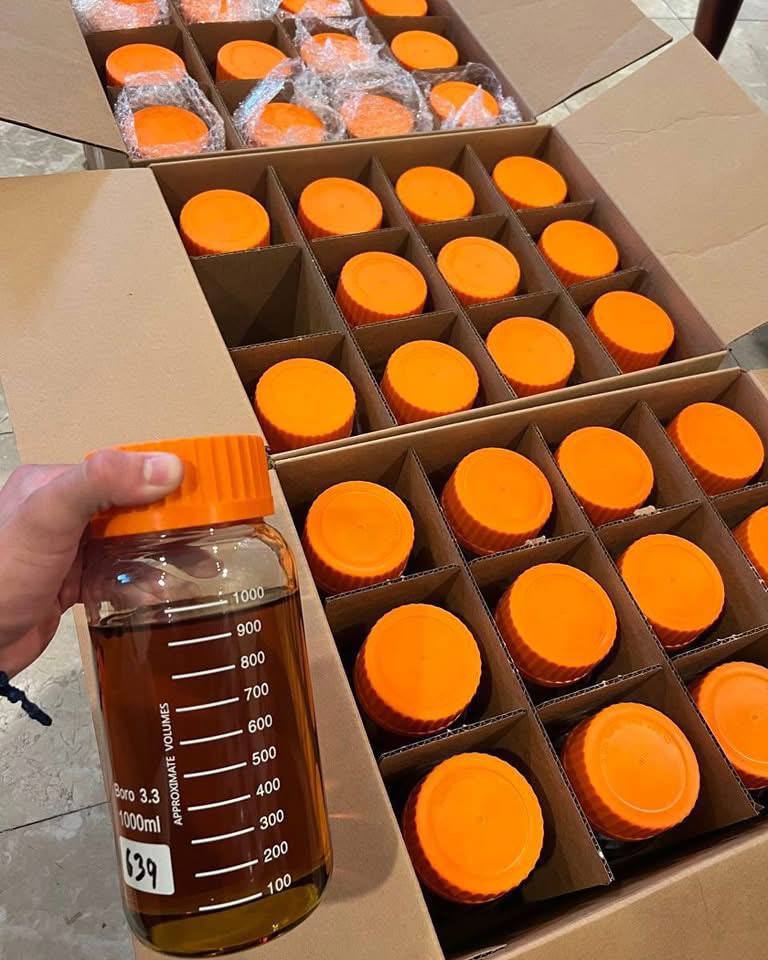
Interest in Delta 8 THC is growing among people researching cannabis-derived compounds and their differences. In particular, Delta 8 has attracted attention because of its chemical similarities to Delta 9 THC and its distinct legal and regulatory considerations.
However, finding reliable information about the best Delta 8 in Europe requires more than comparing product descriptions. Consumers should also understand laboratory testing, ingredient transparency, manufacturing standards and local cannabis legislation.
In this guide, we explore what Delta 8 THC is, how to evaluate product quality and what European consumers should know before considering THC-containing products.
What Is Delta 8 THC?
Delta 8 tetrahydrocannabinol, commonly called Delta 8 THC, is a cannabinoid related to Delta 9 THC.
Both compounds belong to the THC family. However, they have slightly different chemical structures, which influence how they interact with the body’s endocannabinoid system.
Delta 8 is psychoactive and can cause intoxication, although its effects may differ from those associated with Delta 9 THC.
Furthermore, Delta 8 can occur naturally in cannabis in relatively small quantities. Commercial Delta 8 is often manufactured through chemical conversion of other cannabinoids, making production methods and quality control particularly important.
What Makes a Quality Delta 8 THC Product?
When researching Delta 8 products, it is important to look beyond packaging and promotional claims. Instead, pay attention to product transparency, independent laboratory testing and manufacturing information.
1. Independent Laboratory Testing
Third-party laboratory testing is an important quality indicator.
A certificate of analysis (COA) should provide information about cannabinoid concentrations and relevant contaminants.
Depending on the product and manufacturing process, testing may include:
- Cannabinoid potency.
- Heavy metals.
- Pesticide residues.
- Residual solvents.
- Potential chemical by-products.
- Microbial contamination.
In particular, chemically converted Delta 8 products deserve careful scrutiny because incomplete purification can leave unwanted reaction by-products.
2. Transparent Ingredients
Clear ingredient information helps consumers understand what a product contains.
For example, manufacturers should identify the ingredients, cannabinoid content and relevant safety warnings. Additionally, product descriptions should avoid unsupported claims about purity, potency or health benefits.
3. Manufacturing Standards
Manufacturing transparency is especially important when researching Delta 8 THC.
Unlike some naturally extracted cannabinoids, commercial Delta 8 is frequently produced using chemical conversion processes. Therefore, manufacturing controls and purification procedures deserve particular attention.
Look for information about:
- Production and quality-control procedures.
- Batch identification.
- Independent testing.
- Manufacturing transparency.
- Product traceability.
Ultimately, these details help consumers assess whether a manufacturer takes product quality seriously.
4. Accurate Product Labelling
Reliable labelling should clearly identify cannabinoid content, ingredients, manufacturer details and safety warnings.
Moreover, consumers should be cautious about products with unclear THC concentrations or exaggerated marketing claims.
Delta 8 THC in Europe: Is It Legal?
One of the most important considerations when researching Delta 8 in Europe is legality.
There is no universal European rule that automatically makes Delta 8 THC products legal throughout the European Union.
Instead, national cannabis legislation and controlled-substance regulations determine how these products are treated.
Although some European countries have introduced cannabis reforms, this does not necessarily mean that Delta 8 products are permitted.
Furthermore, the fact that Delta 8 is different from Delta 9 THC does not automatically exempt it from THC-related restrictions or analogue laws.
Before purchasing, possessing, importing or transporting Delta 8 products, check the current legislation in the relevant country.
Delta 8 vs Delta 9 THC: What Is the Difference?
Delta 8 and Delta 9 THC have similar chemical structures. Nevertheless, there are important differences.
Delta 8 THC: A psychoactive cannabinoid that can cause intoxication. It is commonly produced commercially through chemical conversion of other cannabinoids.
Delta 9 THC: The primary intoxicating cannabinoid naturally associated with cannabis. It is more extensively studied and is subject to established cannabis regulations.
Both compounds can affect perception, coordination, memory and reaction time. Consequently, neither should be treated as non-intoxicating or automatically safe.
How to Evaluate Delta 8 THC Product Quality
If you are researching Delta 8 products, consider several important quality indicators.
- Independent laboratory reports are available.
- Cannabinoid concentrations are clearly disclosed.
- Testing covers relevant chemical by-products.
- Residual solvents are assessed.
- Ingredients are fully identified.
- Batch information is provided.
- Manufacturing procedures are transparent.
- Applicable national regulations are followed.
Most importantly, laboratory testing should be specific to the product batch. A generic certificate or unsupported purity claim is not sufficient evidence of product quality.
Safety Considerations Before Using Delta 8 THC
Delta 8 THC is psychoactive and can produce unwanted effects.
These may include anxiety, dizziness, impaired memory, altered perception and reduced coordination. In addition, products with inadequate quality controls may contain unwanted chemical residues or by-products.
For this reason, consider the following precautions:
- Do not drive or operate machinery after THC use.
- Avoid combining THC with alcohol or other intoxicating substances.
- Keep THC products away from children and pets.
- Avoid use during pregnancy or breastfeeding.
- Seek professional medical advice about potential health risks and interactions.
Above all, remember that a product marketed as hemp-derived is not necessarily safe, non-intoxicating or legally permitted.
Frequently Asked Questions About Delta 8 in Europe
Is Delta 8 THC legal in Europe?
Delta 8 THC is not universally legal across Europe. Individual countries have different regulations, and some may restrict Delta 8 under existing THC or controlled-substance legislation.
Can you buy Delta 8 THC in Europe?
Availability depends on national legislation and the characteristics of the product. Therefore, consumers should verify local laws rather than assuming that online availability means a product is legal.
Is Delta 8 THC the same as Delta 9?
No. Both are psychoactive cannabinoids, but they have different chemical structures. Additionally, Delta 8 is frequently produced commercially through chemical conversion, whereas Delta 9 occurs naturally in cannabis in larger quantities.
Is Delta 8 THC psychoactive?
Yes. Delta 8 THC can cause intoxication and affect memory, perception, coordination and reaction time.
How can you identify a quality Delta 8 THC product?
Look for independent batch-specific laboratory reports, transparent ingredients, clear cannabinoid information and testing for residual solvents and chemical by-products.
Is Delta 8 THC safer than Delta 9?
There is insufficient high-quality human evidence to establish that Delta 8 is safer than Delta 9. Consequently, claims that Delta 8 is harmless or risk-free should be treated cautiously.
Are all hemp-derived Delta 8 products legal?
No. Hemp-derived status does not automatically make an intoxicating THC product legal. National laws and product-specific regulations still apply.
Final Thoughts: Finding the Best Delta 8 in Europe
Finding reliable information about the best Delta 8 in Europe starts with understanding cannabinoid properties, manufacturing methods, laboratory testing and national cannabis legislation.
Unlike ordinary hemp-derived products, commercial Delta 8 often involves chemical conversion processes. As a result, independent testing for contaminants, residual solvents and unwanted reaction by-products is particularly important.
Furthermore, consumers should not assume that Delta 8 is legal simply because it is marketed as hemp-derived or sold online.
As European cannabis regulations continue to evolve, staying informed about product quality, safety and local legislation remains essential.