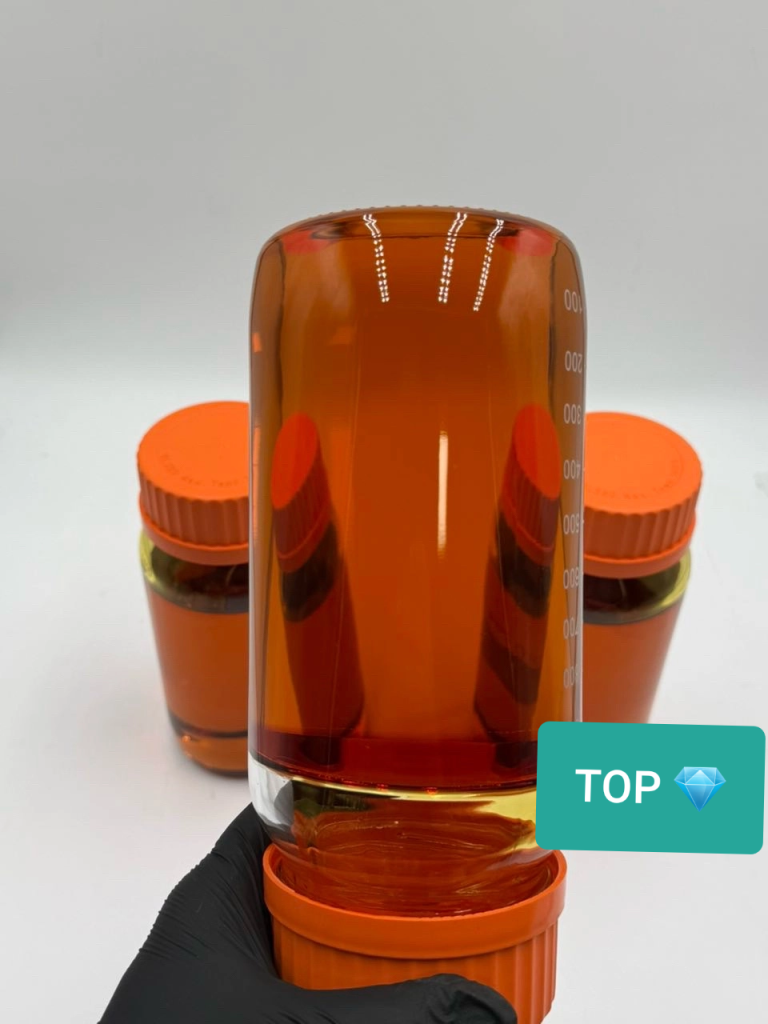
Raw Delta-9 THC distillate Europe is a highly concentrated cannabis extract that is generally recognized by its thick, viscous texture and golden to amber appearance. Because distillate is produced through extensive refinement, it can look considerably different from other cannabis extracts, such as crude oil, resin, or full-spectrum extracts.
The exact appearance of Delta-9 THC distillate can vary depending on the starting material, extraction and purification processes, cannabinoid composition, storage conditions, and temperature. For this reason, there is no single color or texture that applies to every sample.
Typical Appearance of Delta-9 THC Distillate
Raw Delta-9 THC Distillate Europe. One of the most noticeable characteristics of raw THC distillate is its consistency. At ordinary room temperatures, it is often very thick and sticky, sometimes resembling a heavy syrup or concentrated oil.
Highly refined distillate can have a relatively clear or translucent appearance. Its color may range from very pale yellow and light gold through to deeper amber shades. Some samples can appear darker, particularly when they have been exposed to heat, light, air, or other environmental factors.
The color of a sample should not, by itself, be considered an indication of its potency or purity. Two samples with noticeably different colors may contain similar cannabinoid concentrations, while visual similarities do not necessarily mean that two samples have the same chemical composition.
Color and Transparency
Color is one of the first things people notice when looking at cannabis distillate. Highly refined material is often associated with a golden or honey-like appearance, although actual color can vary substantially.
Some distillates appear almost transparent when viewed under suitable lighting, while others have a more pronounced yellow, amber, or brown tone. Lighting conditions can also affect how the material appears in photographs or in person.
It is important to avoid using color as a substitute for laboratory analysis. Cannabinoid concentration, residual solvents, pesticides, heavy metals, microbial contamination, and other characteristics cannot be reliably determined simply by looking at an extract.
For this reason, a certificate of analysis from an appropriately qualified laboratory provides substantially more useful information than visual inspection alone.
Texture and Viscosity
Raw Delta-9 THC distillate Europe is generally characterized by high viscosity. Unlike water or thin oils, it can move very slowly and may cling to the surface of a container.
Temperature has a significant effect on this characteristic. When the material is cooler, it can become extremely thick and difficult to move. At warmer temperatures, its viscosity can decrease and the material may flow more easily.
This temperature-dependent behavior is one reason photographs of the same material can look different depending on the conditions under which they were taken.
A sample that appears almost solid or extremely thick in a cool environment may become considerably more fluid after warming. This change in consistency does not necessarily indicate that the chemical composition has changed; viscosity is strongly influenced by temperature.
Why Does THC Distillate Look Different From Other Cannabis Extracts?
Cannabis extracts can have very different appearances because they are produced using different processes and may contain different groups of compounds.
Crude cannabis extracts can contain cannabinoids, terpenes, pigments, plant compounds, waxes, and other components. As purification progresses, many of these compounds may be removed or reduced.
Distillation is designed to separate and concentrate particular compounds based on their physical and chemical properties. The resulting material can therefore have a different appearance from the original cannabis extract.
Compared with darker crude extracts, refined distillate is often more uniform in color and may have a clearer appearance. However, visual differences between products do not provide enough information to determine exactly how a particular sample was manufactured.
How Temperature Affects Its Appearance
Temperature is particularly important when discussing the appearance of cannabis distillate.
At lower temperatures, Delta-9 THC distillate Europe can become extremely viscous. It may appear thick, sticky, or almost solid. As the temperature increases, the material generally becomes less viscous and can appear more fluid.
This means that two photographs of the same material can look substantially different if they were taken at different temperatures.
Temperature can also affect how the material spreads across a container or surface. A cooler sample may retain its shape, while a warmer sample may slowly flow and level out.
Because of these characteristics, appearance should always be considered in the context of storage and environmental conditions.
Does Color Indicate THC Potency?
No. Color alone cannot reliably establish the potency of Delta-9 THC distillate.
A pale or clear-looking sample is not automatically more potent than a darker sample, and a darker appearance does not necessarily indicate lower quality. The concentration of Delta-9 THC and other cannabinoids needs to be determined through appropriate analytical testing.
Laboratory testing can provide information about cannabinoid concentrations and, depending on the testing performed, contaminants and other compounds.
For consumers, researchers, and businesses operating in regulated environments, analytical documentation is therefore considerably more useful than judging an extract based solely on its appearance.
Does Appearance Confirm Purity?
Appearance cannot confirm purity either.
A visually clear or attractive extract can still contain substances that cannot be detected by sight. Conversely, a sample that appears darker may not necessarily contain harmful contaminants.
Testing methods can be used to assess cannabinoid content and, where applicable, screen for substances such as residual solvents, pesticides, heavy metals, and microbial contamination.
This distinction is particularly important when discussing concentrated cannabinoid products because visual inspection provides only limited information.
Delta-9 THC Distillate in Europe
The legal status of Delta-9 THC products varies across Europe. European countries do not necessarily apply identical rules to cannabis, THC, extracts, and cannabinoid products.
In some jurisdictions, products containing certain levels of Delta-9 THC may be subject to strict controls, while other cannabinoid products may fall under different regulatory frameworks. Importation, possession, manufacture, advertising, and commercial distribution can also be treated differently under national laws.
As a result, the fact that a particular product exists on the market does not automatically mean that it is legal in every European country.
Anyone researching Delta-9 THC distillate in Europe should check the regulations applicable to the specific country involved. Official government and regulatory sources are preferable to relying on generalized statements about European legality.
Why Laboratory Testing Matters
When identifying or evaluating a cannabinoid extract, laboratory testing is much more informative than visual appearance.
A laboratory analysis can help establish the concentration of Delta-9 THC and other cannabinoids. Depending on the laboratory and testing panel, it may also provide information about contaminants and other compounds.
A certificate of analysis, commonly referred to as a COA, can therefore provide information that cannot be established from color, texture, or viscosity.
This is particularly relevant when dealing with highly concentrated extracts, where relatively small differences in cannabinoid concentration can have significant implications.
Frequently Asked Questions
What color is Delta-9 THC distillate?
Delta-9 THC distillate can range from pale yellow and light gold to amber or darker yellow-brown shades. Highly refined material may appear relatively clear or translucent.
Is THC distillate supposed to be thick?
Generally, yes. Distillate is commonly highly viscous, particularly at room or cooler temperatures. Its consistency can change considerably as the temperature changes.
Why does THC distillate become darker?
Color can vary because of differences in processing, starting material, storage conditions, temperature, oxidation, and other factors. Color alone cannot determine the quality or potency of a sample.
Can you identify Delta-9 THC by looking at it?
No. Visual appearance cannot reliably establish the identity, cannabinoid concentration, purity, or legality of a substance. Appropriate laboratory testing is required for reliable identification and analysis.
Does clear THC distillate mean it is more potent?
Not necessarily. Transparency or light color does not reliably indicate cannabinoid potency. Potency should be established through laboratory analysis.
Does temperature change the appearance of distillate?
Yes. Cooler temperatures generally make the material thicker, while warmer conditions can make it more fluid. This can significantly change its visible appearance and consistency.
Final Thoughts
Raw Delta-9 THC distillate is generally recognized by its concentrated, viscous appearance and its range of golden, yellow, or amber colors. Its consistency can change significantly with temperature, and highly refined samples may appear relatively clear or translucent.
However, appearance should never be treated as proof of potency, purity, identity, or legality. Laboratory testing is necessary to determine cannabinoid concentrations and assess other quality characteristics.
For anyone researching Delta-9 THC distillate in Europe, the regulatory situation should also be considered carefully. Laws and restrictions can differ between individual countries, so current national requirements should be checked before making assumptions about a particular cannabinoid product.